We visited Arches on May 14, 2021. The Lady had signed up to get their tweets, so she knew that park capacity was being surpassed daily. They were closing the park to additional visitors at 11am. Or earlier. The park was re-opening in the late afternoon when more visitors could be accommodated in this “small” park.
Plus, we knew that popular spots would run out of parking fast. So we spent the night in Moab, and then got up at 6a to arrive at the park at 7:30a.
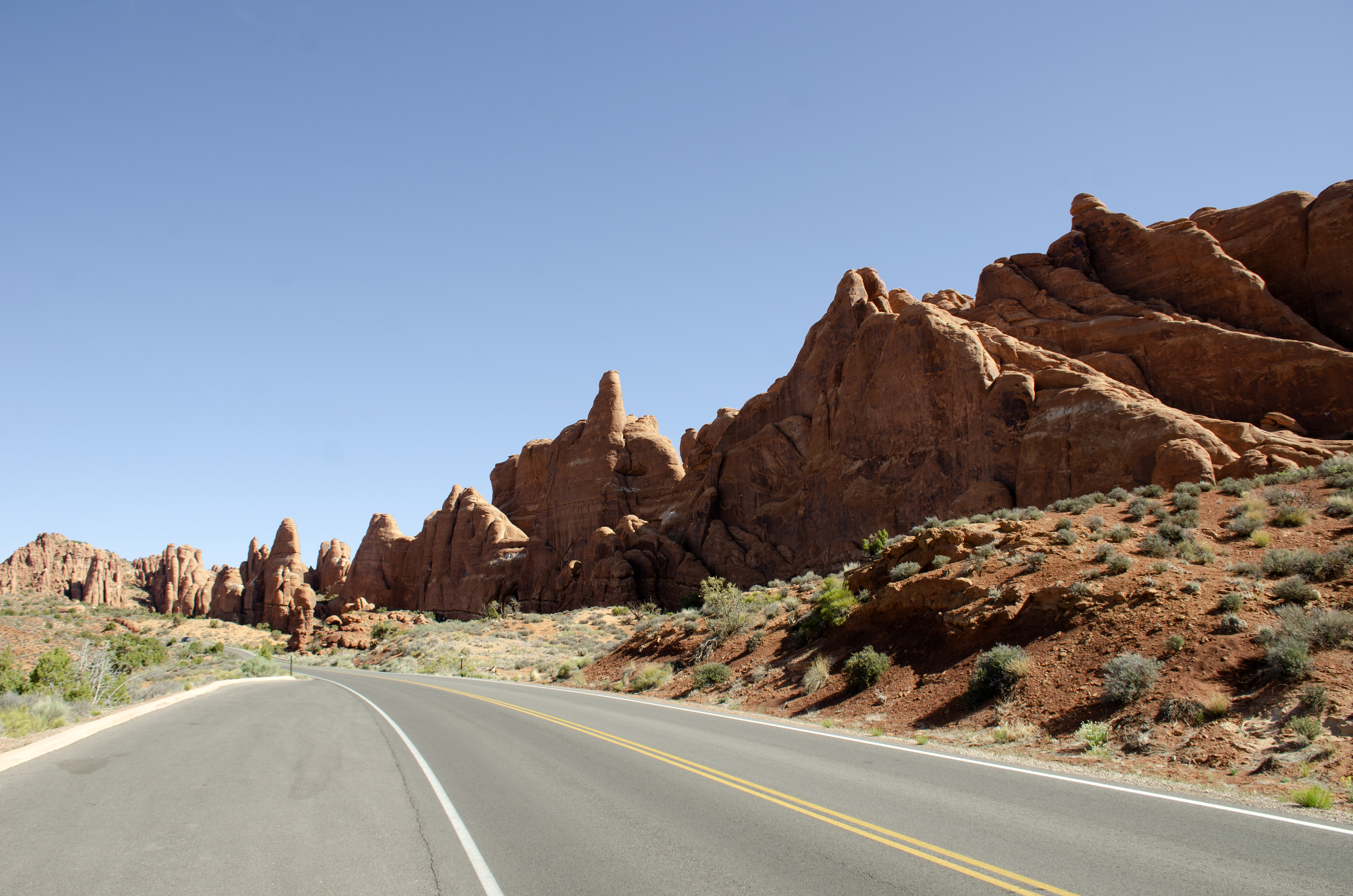
We had to wait in line for 15 minutes to get into the park; they had both lanes open to get the paying visitors into the park. We, of course, had our Golden Eagle passports, so we were in without paying the $30 per car. We elected to drive straight to the iconic Delicate Arch first … and we got there with plenty of parking available. After that picture was captured, we proceeded to drive through the rest of the park at our leisure, stopping at every designated wide spot in the road to take pictures.
The park’s website said we could spend 10 minutes at every Viewpoint, and finish the park’s paved roads in 4-1/2 hours. We beat that time, and felt that we had been there, done that.
Designation of the area as a national monument was supported by the Park Service from 1926, but was resisted by President Calvin Coolidge’s Interior Secretary, Hubert Work. Finally in April 1929, shortly after his inauguration, President Herbert Hoover signed a presidential proclamation creating Arches National Monument, consisting of two comparatively small, disconnected sections. The purpose of the reservation under the 1906 Antiquities Act was to protect the arches, spires, balanced rocks, and other sandstone formations for their scientific and educational value. The name “Arches” was suggested by Frank Pinkely, superintendent of the Park Service’s southwestern national monuments, following a visit to the Windows section in 1925.
In late 1938, President Franklin D Roosevelt signed a proclamation which enlarged Arches to protect additional scenic features and permit development of facilities to promote tourism. A small adjustment was made by President Dwight Eisenhower in 1960 to accommodate a new road alignment.
In early 1969, just before leaving office, President Lyndon B Johnson signed a proclamation substantially enlarging Arches. Two years later, President Richard Nixon signed legislation enacted by Congress which significantly reduced the total area enclosed, but changed its status to a National Park.
There are more than 2,000 arches in the park; to be classified as an arch, the opening must measure at least three feet across. The largest arch in the park, Landscape Arch, spans 306 feet (longer than a football field) base to base. New arches are constantly forming, while old ones occasionally collapse—most recently Wall Arch, which fell in 2008.
Size: 76,679 acres
# Visitors: 1,082,866 visitors in 2013. Attendance peaks in June/July, and is at a minimum in January.
Fees: $5 for individuals for 7 days; $10 for vehicles for 7 days. $20 for campsites at the Devils Garden campsite, per nite.
Staying There: There is only one campsite in the Park, and it’s located well for exploration of the Park. There is no backcountry camping allowed.
Climbing on named arches within the park has long been banned by park regulations. Following Dean Potter’s successful free climb on the Delicate Arch in May 2006, however, the wording of the regulations was deemed unenforceable by the park attorney. The park revised its regulations as follows in response:
All rock climbing or similar activities on any arch or natural bridge named on the United States Geological Survey 7.5 minute topographical maps covering Arches National Park are prohibited.
Climbing on other features in the park is allowed, but regulated. The revised regulations also prohibit slacklining parkwide. Approved recreational activities include auto touring, backpacking, biking, camping, and hiking, some of which require permits. Guided commercial tours and ranger programs are also available.
Photo: Forrest Mankins. Posted by the US Department of the Interior on 3/10/14.
Sunrise photo by Jacob W. Frank. Posted by the US Department of the Interior on Tumblr, 2/7/14.
Some photos from America’s public lands are beyond words like this one @ArchesNPS by Jacob W. Frank. Tweeted by US Dept of the Interior, 1/15/14.
Photo by Jacob Frank. Tweeted by the US Department of the Interior, 12/26/13.
Tweeted by the US Department of the Interior, 12/10/13.
A nighttime photographer captured while they were photographing the splendor of the Milky Way through an arch. Tweeted by the US Department of the Interior 10/27/13.
Photo: Jacob W. Frank. Tweeted by the US Department of the Interior 11/14/13
Tweeted by the US Department of the Interior, 11/18/13.
Photo by Neal Herbert. Drum scan from a 4×5 transparency. From the Park website.
Double O Arch. Photo by Neal Herbert. From the Park website.
Landscape Arch. Photo by Neal Herbert. From the Park website.
Skyline Arch. Photo by Neal Herbert. From the Park website.
Eye of the Whale Arch. Photo by Neal Herbert. From the Park website.
Sunset at the Windows. Photo by Neal Herbert. From the Park website.
First Light on Turret Arch Framed by North Window. Photo by Jacob W. Frank. From the Park website.
La Sals Framed by Turret Arch. NPS Photo by Jacob W. Frank. From the Park website.
North & South Windows. Photo by Neal Herbert. From the Park website.
Navajo Arch. Photo by Neal Herbert. Photo from the Park Website.
Lomatium latilobum, a.k.a. Canyonlands biscuitroot. From the Park’s Facebook page.
Park Avenue. From the Park’s Facebook page.
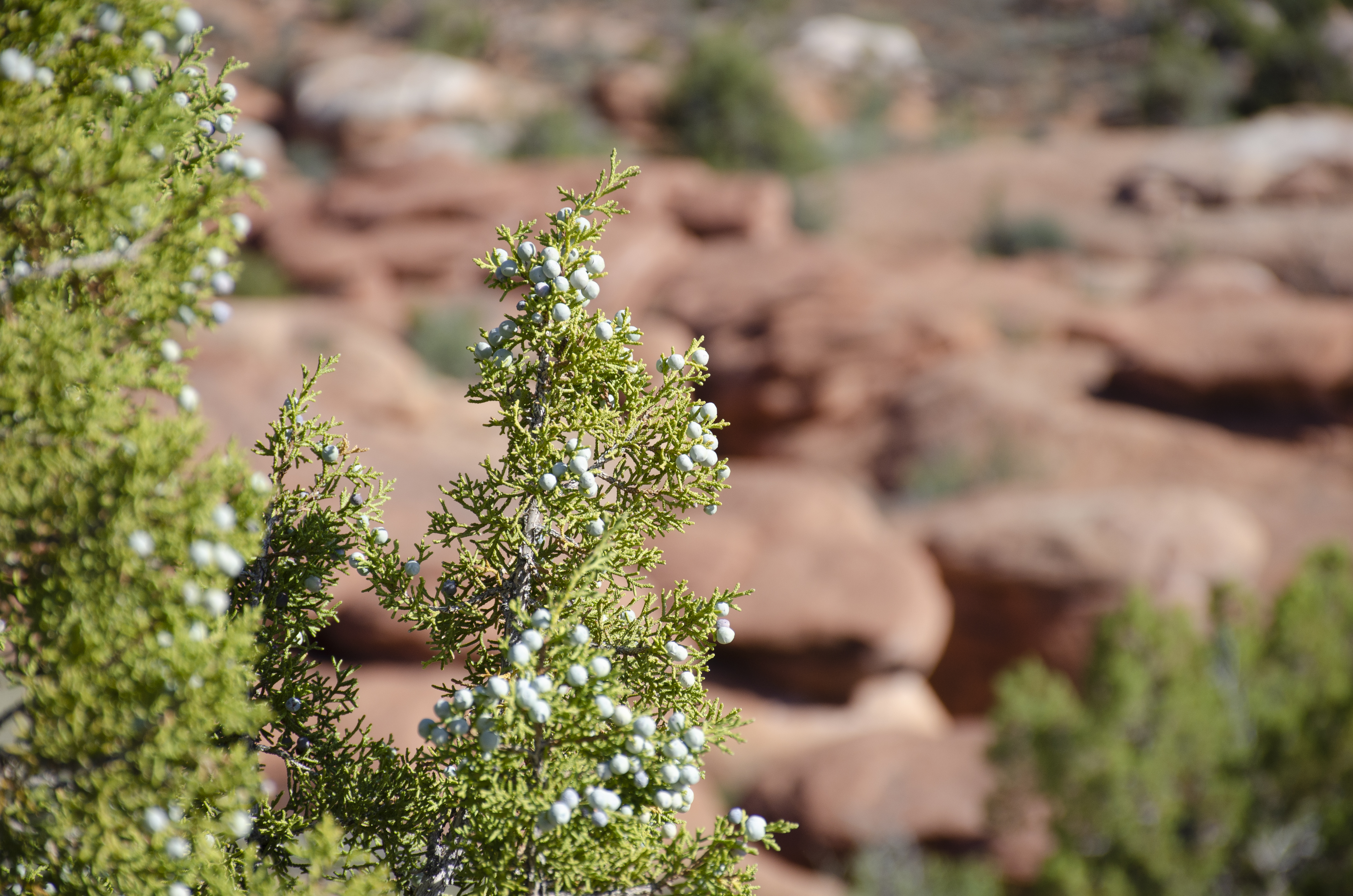
Utah Juniper. From the Park’s Facebook page.
Photo by David McBride. From the Park’s Facebook page.
Turret Arch. Photo by Sarah Dolliver. Photo from the Park’s Facebook page.
Arches National Park at dusk. Photo by Jonathan Backin. Tweeted by the US Department of the Interior, 3/21/14.